
Outdoor lighting
Exterior Lighting for a Clear, Comfortable Arrival Home
Review the approach to your front door, steps, address visibility and neighboring sightlines before choosing brighter exterior lights.
Originally published Guide updated
Updated guidance from SoCal Electrical & Lighting, with sources for the safety and equipment information discussed below.
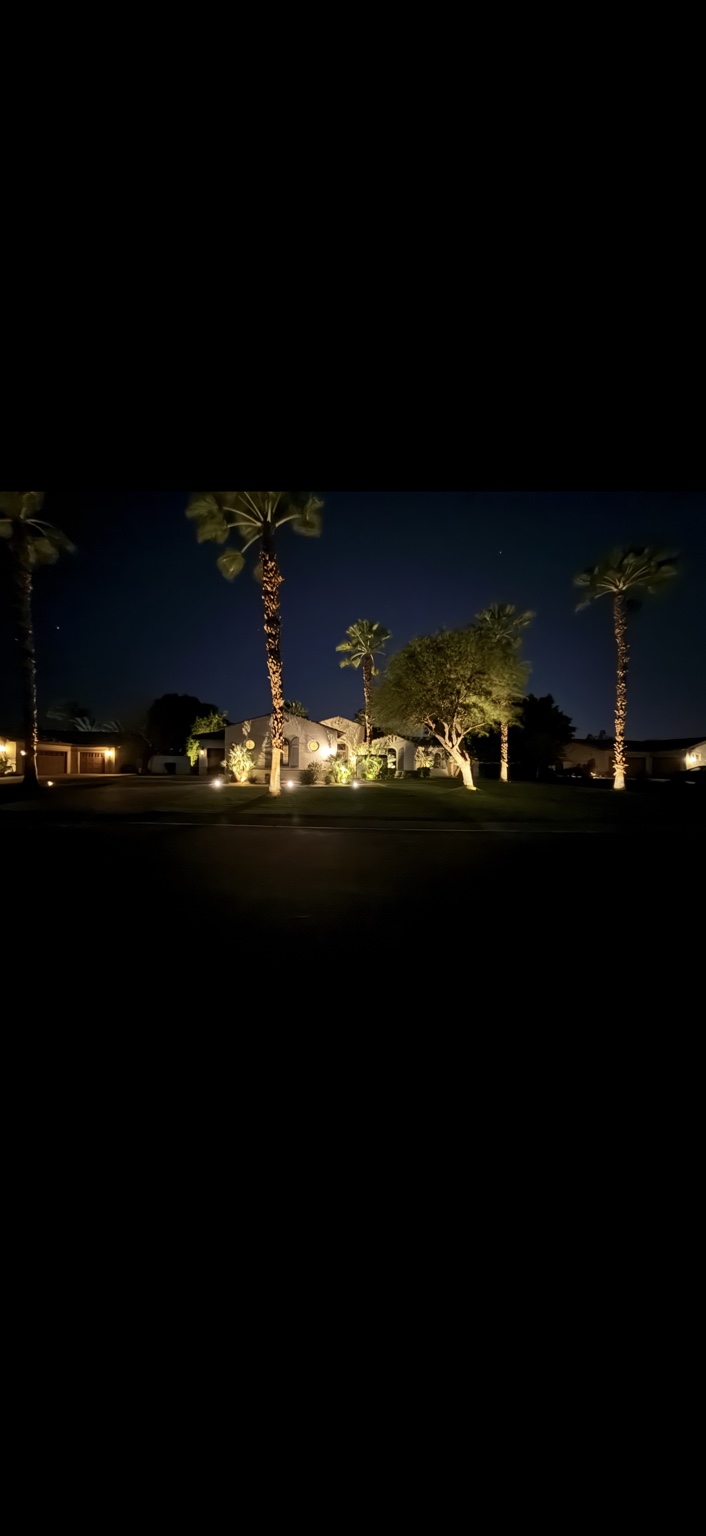
Follow the arrival from the street to the door
Imagine someone visiting your home for the first time after dark. Can they recognize the intended entrance, find the address and follow the route from the parking area? Review that sequence from a normal visitor’s viewpoint. A dramatic light on the facade does not necessarily answer those practical questions.
For a Coachella Valley home, include the approach through a courtyard or side gate when that is the usual route. Note where visitors hesitate or leave the intended path. Those observations give the lighting proposal a specific job before any decorative fixtures are selected.
Make changes in level and the doorway understandable
Look at steps, landings, thresholds and turns as separate parts of the approach. Check the view when arriving and when leaving. A person carrying a bag may look at the ground differently from someone standing still to admire the house, so review the route under ordinary use.
At the door, consider whether someone can find the handle and see the immediate landing comfortably. Ask the lighting designer to explain which fixture serves each part of the route. Where damaged paving or another physical hazard is present, include its repair in the plan rather than expecting lighting to solve it.
Control glare before adding more output
A visible bright lamp can draw attention away from the area someone needs to see. The National Park Service recommends shielding, directing light toward the intended task and using an appropriate amount of light. Its guidance cautions that increasing output does not automatically improve nighttime visibility.
Review fixtures from the driver’s approach, the walking route and nearby windows. Ask whether the light source can be shielded or the distribution changed before increasing brightness. The aim is to make the entrance legible without making visitors look toward an exposed, uncomfortable source.
Treat security as a separate requirement
Better visibility can help people assess their surroundings, but a lighting installation should not come with a promise that it will prevent crime. Define the visual tasks the household needs, then discuss any cameras, gates or other security equipment with the appropriate provider. Each system has its own operating requirements.
If cameras are part of the project, ask to review the finished nighttime image with the lighting operating normally. A useful household check is whether the intended area remains visible during a person’s approach, not simply whether a motion-triggered light turns on at some point.
Protect neighboring views and choose sensible hours
Consider the view from adjacent properties as part of the design. Discuss shielding and placement where light could enter a bedroom or shine across a boundary. Make any applicable local or association requirements part of the project review before exterior changes are finalized.
Separate routine arrival lighting from lighting needed only for occasional activity. Timers and motion controls can reduce unnecessary operating hours, but the settings must suit the actual approach. Agree on when each light runs, how long a triggered setting remains active and how someone uses the entrance when their arrival falls outside the usual schedule.
Check exposure and revisit the finished result
Fixtures under cover and those exposed to direct rain have different location-rating needs. Verify the rating for each position, including wind-driven rain or irrigation exposure. Keep the fixture information with the service record rather than relying on the appearance of an outdoor-style housing.
After installation, repeat the arrival walk after dark. Revisit the result when vegetation grows, a fixture is moved or a lamp is replaced; those changes can affect the original intent. Bring SoCal Electrical & Lighting a short list of the approach, glare and control issues you want addressed so the proposed exterior work can be judged against a clear result.